
In the aftermath of a car accident, amidst the chaos and stress, prioritizing safety is paramount. Once the initial shock dissipates, conducting a thorough car inspection of your vehicle becomes imperative to assess any potential damage and guarantee its roadworthiness. If you’re wondering, do cars need to be inspected after an accident? The answer is always yes for safety and performance. Performing a DIY inspection post-accident is crucial; even seemingly minor collisions can lead to hidden damages affecting safety and performance. Understanding how to inspect a car after an accident helps you identify early issues. Documenting any observed changes facilitates professional evaluation and repair at a trusted collision repair center offering car inspection service Los Angeles.
Here are five essential tips to evaluate your car’s condition following an accident!
Tip 1: Prioritize Safety First
In the immediate aftermath of a collision, your safety and that of others involved should always take precedence in the aftermath of a car accident. If possible, move your vehicle to a secure location like the side of the road or a nearby parking lot. In case your car is immovable, activate hazard lights to alert nearby drivers and relocate to a safe distance from the road. Remember, even minor accidents require attention – never leave the scene without proper assessment. Once in a secure location, ensure everyone is unharmed and seek medical assistance if necessary. Contact 911 for any injuries or concerns. Facing an accident can disrupt your routine, but at Dream Collision Center, we’re here to support you through the process. From repairing your vehicle to navigating insurance claims, our dedicated staff provides valuable resources and assistance to ease the aftermath of collisions.
Tip 2: Document the Scene
Once safety is ensured, meticulous documentation of the accident scene is crucial. When providing statements to the authorities, be honest and transparent. Capture photos promptly, depicting the vehicle positions, your car’s damage, and road conditions. This documentation aids in insurance claims and legal proceedings. Dream Collision Center not only offers dependable repair services but also supports you through the claims process, including guidance for car inspection Los Angeles CA.
Tip 3: Assess Visible Damage
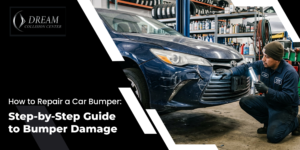
Ensure your safety by moving to a secure location away from traffic before inspecting your car post-accident. Visible damage such as frame issues or broken windows may be apparent, but other damages might require closer scrutiny. Follow these steps for assessing visible damage: 1. Walk around the vehicle, checking for paint damage, cracked windows, or structural issues. 2. Examine the bumper and fender for dents or cracks. 3. Run your hand along the body panels to detect bumps or irregularities. 4. Check for abnormal gaps in doors, ensuring they close flush with the panels. 5. Test functionality by opening doors, the trunk, the hood, and the windows. 6. Document findings with photos and notes for insurance and repair shop purposes or a professional car inspection service Los Angeles.
Tip 4: Check Under the Hood
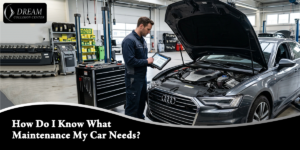
Not all damage from an accident is immediately visible. There could be hidden issues that affect your car’s longevity and performance. It’s essential to inspect not only the exterior but also under the hood for any internal damage. Modern vehicles typically house the engine and transmission upfront under the hood. Look for signs like broken belts, smoke, or fluid leaks during a proper car inspection near you service. If you’re unsure what to check for, it’s wise to seek assistance from a reputable repair shop. Their expertise ensures a thorough inspection, addressing any potential hidden damages.
Tip 5: Don’t Ignore the Interior
Although exterior damage is typical in collisions, interior damage can occur, especially in severe accidents involving water or shattered glass. Some interior damage to look for after an accident may include the following: 1. Ripped or torn upholstery 2. Broken radio or navigation system 3. Dents or scratches on the inside of the doors 4. Broken seat belts
Does Car Insurance Cover Repairs?
Typically, car insurance covers auto body repair costs if you have collision or comprehensive coverage. Collision covers damage from accidents with other vehicles or objects, while comprehensive coverage covers damage from natural disasters. Liability insurance, included in most plans, pays for the other driver’s repairs and medical expenses if you’re at fault. A proper car inspection is often required by insurance companies before approving repairs.
Who pays for repairs after an accident?
It depends on the auto body shop you choose. At Dream Collision Center, we take pride in providing old-fashioned, high-quality customer service—and that means we can work directly with your insurance provider, with your approval. We can accept payment directly from most major insurance companies, taking the pressure off you and speeding up the entire process.
What types of collision damage are covered by car insurance?
In general, collision and comprehensive car insurance will cover all types of accident damage, including but not limited to bumper and fender damage, dents, cracked windshields and windows, deep paint scratches, suspension damage, rear-end damage, frame damage, and more.
Ensure Your Peace of Mind with Dream Collision Center.
At Dream Collision Center, we understand the frustration and stress following a collision. Serving the Los Angeles area, we provide comprehensive, expert repair services to ease your burden. Count on us to minimize hassle and keep you informed every step of the way with reliable car inspection close to you services, ensuring a swift and safe return to the road.
Contact us today at (310) 560-3235 for answers to your inquiries and to schedule a consultation. You can also reach us quickly by following us on Facebook. Note: Want to know more about auto collision repair? Don’t forget to read one of our best articles on “Auto Collision Repair Explained: Step-by-Step Guide for Car Owners.“