The structural integrity of a car relies on its frame, which serves as the backbone of the vehicle, ensuring stability and control during travel. However, collisions can compromise the frame’s integrity, posing risks to safety and potentially affecting other vital components, leading to car frame damage and serious vehicle frame damage concerns. Operating a vehicle with a damaged frame poses risks and can lead to further deterioration of essential parts over time. In this article, we’ll discuss everything you need to know about frame damage and what to do if it happens to your vehicle.

What is frame damage on a car?
The frame of a car serves as its foundational support structure, akin to a skeleton. It bears the weight of all vehicle components, maintains its shape, and provides crucial protection during accidents. Frame damage encompasses harm to the components intended to uphold a car’s structure. Given the distinct designs of frames across various makes and models, car frame damage can vary depending on the specific vehicle you drive.
Causes of Frame Damage
Typically, auto frame damage stems from collisions, whether with another vehicle or an object. Various types of accidents, from minor fender benders to typical vehicular collisions, can result in frame damage to a car.
How to Identify Frame Damage on a Car
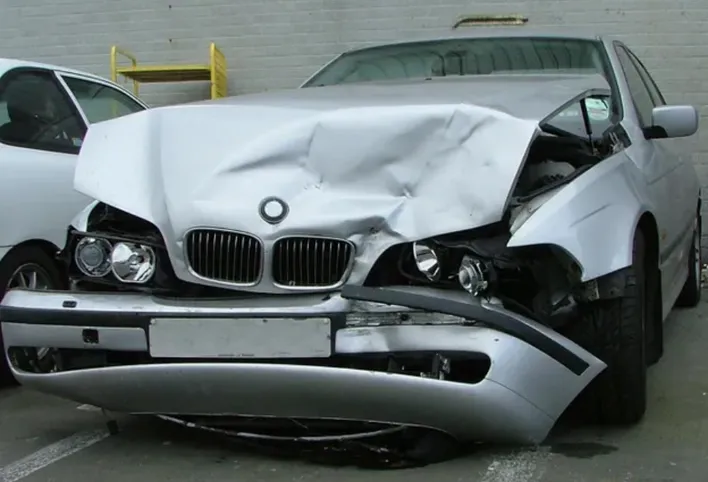
Following an accident, visible damage may not always be apparent, with only surface scratches, dings, or dents visible. However, concealed vehicle frame damage may still be present in your car.
To accurately assess the extent of damage, it’s essential to bring your vehicle to a reputable auto body repair shop. But here are some common signs and symptoms of frame damage to look for after an accident:
1. Visible bends or other damage
2. Uneven tire wear
3. Alignment problems
4. Strange sounds
5. Uneven wear on the suspension
6. Other parts out of place
What is considered frame damage on a car?
The nature and severity of car frame damage can vary, and understanding the extent of the damage is crucial for assessing your options effectively.
Types of Frame Damage
There are four primary types of frame damage that can occur due to a collision:
1. Sagging frame – This is visible damage that causes gaps in the body of the car.
2. Twisted frame – Similar to sagging, a twisted frame is characterized by unevenness, but it’s usually less visible and harder to diagnose.
3. Mash damage – Usually caused by a rear-end or head-on collision, this type of damage causes one end of the frame to crash inward and 4. become shorter.
4. Sway damage – When one of the corners of your car is impacted in a collision, it can cause the frame to lean to one side.
Severity Levels of Frame Damage
Minor frame damage can range from small dents to more noticeable structural concerns. While small dents in the car’s exterior may constitute frame damage, they often don’t indicate substantial impairment of the vehicle’s structure. Conversely, severe misalignment or a heavily crumpled frame can significantly affect critical mechanical operations, rendering the car unsafe or inoperable.
Factors That Affect the Extent of Damage
Several factors influence the type and severity of frame damage sustained by your car in a collision. The velocity and angle of the collision are primary determinants of the damage’s extent. Additionally, driving the vehicle after the collision, prior to inspection, can also exacerbate the damage.
What To Do if Your Car Has Frame Damage
A bent or damaged frame doesn’t just diminish your car’s resale value; it can also alter its driving dynamics and pose safety risks on the road. Hence, it’s crucial not to overlook common indications of car frame damage.
Steps To Take After Discovering Frame Damage
The first things you should do immediately after an accident are
1) to get to safety and
2) to make sure you and any passengers are okay.
Once you’ve done your due diligence at the scene and discovered signs or symptoms of frame damage, here’s what you should do:
1. Call your auto insurance provider as soon as possible to notify them of the accident.
2. If you’re able to drive your car away from the scene, pay close attention to how it drives.
3. Take photos of any new damage you notice and write down any and all problems with how your car is operating.
4. If you suspect your car has frame damage, don’t drive it unless you have to.
5. Take your car into a reputable collision repair shop as soon as possible to have it professionally evaluated and repaired with expert frame damage repair services.
Repair Options for Frame Damage on a Car
Significant force is required to bend a car frame in a collision, and an equivalent amount of force is necessary to restore it to its original shape. Consequently, specialized framing machines are employed for frame damage repair.
These machines utilize hydraulic pressure and torque, applied at precise specifications, to effectively and seamlessly rectify a damaged frame and any associated alignment discrepancies. At Dream Collision Center, we utilize Car-O-Liner frame measuring and straightening equipment, ensuring that every vehicle frame damage repair adheres to the original equipment manufacturer’s guidelines and tolerances.
If you are searching for frame damage repair near you or car frame damage repair near you, Dream Collision Center is ready to help with professional diagnostics and repairs.
Contact us at (310) 560-3235 or visit our location at 1920 S. La Cienega Blvd, LA, CA 90034, to get started! You can also reach us quickly by following us on Facebook and Instragram.
Note: Want to know more about Certified Collision Repair Centers? Don’t forget to read one of our best articles on “How to Choose a Certified Collision Repair Center in Los Angeles.“