
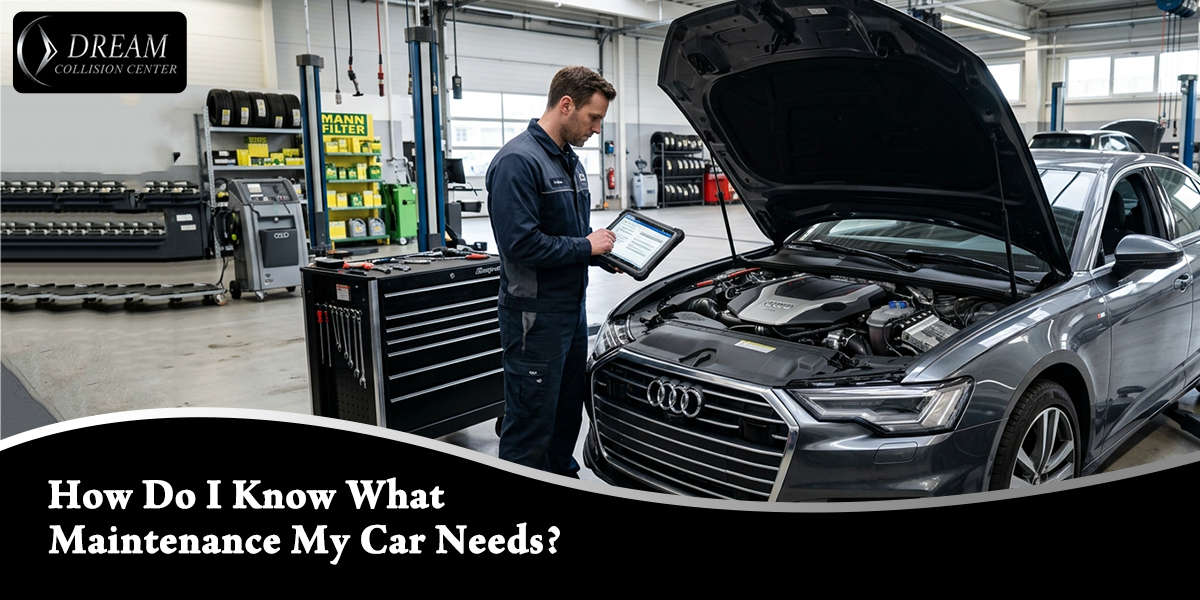
It’s not always clear when your car needs maintenance. Some problems are obvious, like a warning light or a flat tire. Others creep up slowly, with no clear signs. Regular auto care services allow you to catch small problems before they turn into costly repairs.
Your owner’s manual is a good starting point, but your driving habits, mileage, vehicle age, and road conditions also affect how often your car needs service. This guide explains the most common maintenance needs and when you should visit a mechanic.
Regular check-ups give you a chance to find worn, damaged, or low-fluid components before they cause bigger problems. Even if your car feels fine, some parts can wear out without noticeable symptoms.
Following vehicle maintenance services can also help your vehicle run smoothly and safely. A simple inspection today may prevent a much larger repair later.
Yes. Every vehicle needs Auto Care Services to stay reliable. Oil, filters, tires, brakes, fluids, and other components naturally wear down with use.
Your vehicle’s maintenance schedule will depend on its make, model, mileage, age, and driving conditions. Always check the manufacturer’s recommendations for specific service intervals.
Drivers commonly deal with problems such as
Ignoring these signs can turn a small issue into a major mechanical problem.
Routine maintenance offers several key benefits.
Increased Vehicle Lifespan
Taking care of your car can also help important components last longer. Regular inspection and replacement in time can avoid unnecessary wear and keep the car in better condition.
Improved Performance
A well-maintained engine normally runs smoother. Fresh oil, clean filters, properly inflated tires, and healthy fluids can all help your car perform better.
Enhanced Safety
Brakes, tires, lights, steering, and suspension all play a role in safe driving. Regular inspections help identify problems that could affect your control of the vehicle.
Better Fuel Efficiency
Poor tire pressure, clogged filters, and certain mechanical issues can affect fuel economy. Keeping your vehicle maintained can help it operate more efficiently.
Here are some of the most important areas to monitor.
1. Regular Oil Changes
Engine oil lubricates moving parts and helps to control heat and friction. Oil degrades over time and becomes less effective.
Change the oil at the interval recommended by your manufacturer and use the proper oil for your vehicle.
2. Check and Replace Air Filters
A dirty engine air filter can restrict airflow and affect engine performance. Check the filter according to your vehicle’s maintenance schedule and replace it when necessary.
Also inspect cabin air filters, as they help keep the air inside your vehicle cleaner.
3. Tire Maintenance
Your tires affect handling, braking, comfort, and fuel economy. Regularly check tire pressure and inspect the tread for uneven wear or damage.
If you are looking for tire service near me, find a professional shop that can check tire pressure, tread depth, alignment, and overall condition
4. Brake Inspection
A problem may be indicated by squealing, grinding, vibration, or a soft brake pedal. Check your brake components regularly, even if you haven’t noticed any symptoms.
Never neglect changes in braking performance.
5. Battery Care
A weak battery can leave you stranded unexpectedly. Check for corrosion around the terminals and watch for signs such as slow engine cranking or dim lights.
If your battery is several years old, ask a technician to test its condition.
6. Fluids Check
Your vehicle depends on several fluids to run properly. These can include:
Check for low or leaking fluid quickly.
7. Timing Belt and Chain Inspection
Timing belts and chains are essential to the operation of your engine’s moving parts. If needed, you may change timing belts as the automaker recommends.
Different seasons can create different challenges for your vehicle.
Before summer, check the cooling system, battery, tires, and air conditioning. Before winter, inspect the battery, tires, fluids, wipers, and heating system.
If you live somewhere with extreme weather, follow maintenance recommendations designed for those conditions.
Car-Related Signs You Can’t Afford to Ignore: Know When to Bring Your Car to a Professional.
Mechanical Repairs can diagnose and repair issues before your car gets to that point
Professional Mechanical Repairs can address problems before they become more serious.
Preventive maintenance refers to servicing your car before a failure. Instead of waiting for a part to break, you follow a schedule and proactively monitor parts.
This approach can make vehicle ownership more predictable and may help reduce unexpected repair costs.
Maintenance isn’t only about what’s under the hood. Keeping your car clean can help protect the paint, interior, wheels, and other surfaces from dirt and contamination.
Regular Auto Care Services also make it easier to notice scratches, leaks, corrosion, or other changes that might otherwise go unnoticed.
DIY checks can help, but professional inspections offer a deeper look at your vehicle. Experienced technicians have the tools and knowledge to identify issues that may not be obvious to the average driver.
Professional vehicle maintenance services can include inspections, oil changes, brake service, tire care, fluid checks, battery testing, and other scheduled maintenance.
Certified technicians understand how different vehicle systems work and can use proper diagnostic equipment to identify problems.
A professional Auto Care Services center can also help you understand which repairs are urgent and which maintenance items can be planned for later.
How do you determine what work your vehicle needs? First, follow your manufacturer’s recommended maintenance schedule. Then, take into account the vehicle’s number of miles, age, weather, and conditions where you drive, as well as any warning lights that appear.
Regular Auto Care Services can help improve reliability, safety, performance, and overall vehicle life. Don’t wait for a small issue to turn into a major repair.
Ready to keep your vehicle in better shape? Schedule professional service with a trusted Dream Collision Center and stay ahead of your car’s maintenance needs.
How often should I service my car?
Follow the maintenance schedule in your owner’s manual. Service intervals vary depending on the vehicle, mileage, age, and driving conditions.
What maintenance should I do regularly?
Oil changes, checking tyres, inspecting brakes, topping up fluids, testing batteries, and replacing filters.
Is regular maintenance really necessary?
Yes. Maintenance is best undertaken regularly, as it can detect failing parts early, enhance reliability, and avoid the usual mishaps of breakdown.
When should I take my car to a mechanic?
Visit a mechanic when you notice warning lights, unusual noises, fluid leaks, braking problems, steering issues, or changes in performance.
What are the most important Auto Care Services?
Important Auto Care Services include oil changes, tire and brake inspections, fluid checks, battery testing, filter replacement, and manufacturer-recommended maintenance.
Can preventive maintenance save money?
It can help reduce the risk of major failures by identifying problems early. Keeping up with scheduled maintenance is generally easier than dealing with an unexpected breakdown.