
A qualified collision repair service is designed to repair and restore your vehicle after an accident in a safe, clean, and reliable way. It is not just about fixing dents or scratches. It typically involves an examination, body repair, structural repair, paintwork, part replacement, and final quality checks.
If your car has been in a crash, you may not be able to see all the damage right away. Some problems stay hidden under the surface. That is why a complete repair process is important. It helps bring the vehicle back to proper condition and makes sure it is safe to drive again.
What a Collision Repair Service Consists of
A full collision repair process starts with a detailed check. The shop looks at the visible damage, takes notes, and checks for hidden issues. This first step helps the crew figure out what needs to be repaired and what may need to be refurbished.
A Collision Repair Service often includes the following work:
- Damage inspection and repair estimate
- Insurance claim support
- Dent repair and scratch removal
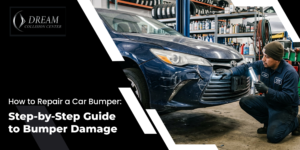
- Bumper repair or replacement
- Fender repair or replacement
- Door, hood, or panel replacement
- Frame and structural repair
- Paint matching and refinishing
- Glass repair or replacement of glass
- Mechanical repair related to accident damage
- Electrical checks and sensor validation
- Final cleaning and quality inspection
These services can change depending on the type of accident and the overall condition of the vehicle. A small fender bender may only need surface repairs. A more serious crash may require framework, part replacement, and repainting. Either way, the goal is the same: repair the automobile properly and safely.
Why Collision Repair Matters
After an accident, some damage is obvious. You may see a dented bumper, broken light, or scratched door. But not all damage is visible. The structure behind the panels may be bent, and some sensors or internal parts may also be affected.
That is why a professional repair service matters so much. It helps make sure the car is not only looking better but also performing the way it should. If a vehicle is not repaired correctly, it may develop alignment problems, safety issues, or long-term wear.
Good collision repair service also helps protect resale value. A car that is repaired well looks better, drives better, and usually holds value better than one with poor or unfinished repairs.
Initial Inspection and Estimate
The fixing process usually begins with a full examination. A trained technician will inspect the visible damage and look for hidden problems. This is an important part, as it gives a better picture of the total repair needed.
The shop will then give you an estimate. This quote normally will include labor, parts, paint, and any other repair steps. If insurance is involved, the estimate can be submitted to the insurance company to review and approve.
This stage is also where the shop may explain the repair process to you. A good shop should keep the language simple and tell you what is urgent, what is optional, and what may affect the final price.
Hidden Damage and Disassembly
Hidden damage is one of the most important parts of collision repair. A car may look harmless on the outside, but underneath it could be badly damaged. This is why repair shops often remove damaged parts early in the process.
Disassembly lets the technician get a better look at what is going on underneath the surface. Broken mounts, bent metal, wiring problems, or frame damage may indicate this. Concealing the damage allows the shop to correct the estimate and proceed with a more accurate repair plan.
This step is especially important after a moderate or severe accident. Without it, the shop may miss problems that later affect safety or performance.
Frame and Structural Repair
If the collision affected the structure of the car, frame repair may be needed. This is one of the most serious parts of an auto body repair Los Angeles CA because the frame supports the entire vehicle.
The frame may be bent or out of alignment, or the vehicle may drive crooked. Doors may not lock properly, tires may wear unevenly, and it may not protect its occupants as it should in another crash. Structural repair is the use of special equipment and procedures to realign the vehicle.
This work must be done carefully. It is not a quick fix. It requires skill, accuracy, and the right equipment. When done properly, it helps restore both safety and driving comfort.
Body Panel Repair and Replacement
Body panel repair is one of the most visible parts of the process. This includes fixing or replacing parts like the bumper, fender, hood, trunk, and doors. Some panels can be repaired by reshaping or straightening the material. Others must be fully replaced if the damage is too severe.
Technicians decide whether to repair or replace a part depending on safety, cost, and condition. The idea is that the car should look clean and fitted well. How well the panels line up is important too, because it affects how the doors close, whether the trim lines match up, and how the whole vehicle looks.
When the panels are repaired well, the car regains a smooth, factory-like appearance. That makes a big difference after an accident.
Paint Matching and Refinishing
Paint is another major part of collision repair service. Even if the bodywork is perfect, the repair will not look right if the paint color does not match. That is why paint matching is done carefully.
The shop will attempt to match the existing color of the vehicle as close as possible. The surface is then blended after the paint is applied so the repaired surface will match up with the rest of the vehicle. This avoids obvious color differences or patchiness.
Refinishing also protects the vehicle’s surface. A proper paint finish helps guard against moisture, rust, and future damage. It gives the vehicle a clean appearance and helps the repair last longer.
Mechanical and Electrical Repair
But a bump may have more than a superficial effect. It can also harm mechanical and electrical systems. Suspension parts, steering components, lights, wiring, backup cameras, and sensors are among them.
Modern vehicles have many systems that work together. If one part is damaged, it can affect other parts too. That is why a full repair service often includes testing and fixing these systems as well.
This is especially important for newer vehicles with advanced safety features. A damaged sensor or camera may not be obvious, but it can still affect how the vehicle functions. Repairing these systems helps the car stay safe and reliable.
Glass Repair and Replacement
Crashes often shatter windshields and windows. Collision repairs include cracked, chipped, or broken glass. Some damage can be fixed; some damage requires total replacement.
If the windshield has attached sensors or cameras, those systems may need to be reset or checked after the new glass is installed. This is another reason why a skilled repair shop is important. The job is not just about replacing the glass. It is also about making sure the related systems still work properly.
Final Inspection and Delivery
The car has to be inspected before being returned to the shop. This is the final quality control check to make sure everything is correct and functions. Panels should line up, paint should match, lights should work, safety systems should be tested.
The vehicle is then cleaned and ready for pickup. A final careful check helps minimize the chances of trouble later. This also gives the customer more confidence that the repair was done correctly.
What to Look for in a Repair Shop
Not all auto repair shops are created equal. A good shop needs to be clear, organized, and easy to work with. It should tell you what the steps of the repair are and keep you updated on the progress.
Seek out a shop that has:
- Fair valuations
- Clear communications
- Warranty on workmanship
- Good stuff and materials
- Experience with cosmetic and structural repairs
- Help with insurance paperwork
- Modern equipment and trained technicians
These things matter because collision repair is about more than appearance. It is about safety, reliability, and long-term value.
Collision Repair Los Angeles
If you are searching for collision repair Los Angeles, you will find many shops offering different levels of service. Some focus only on quick bodywork, while others provide full repair solutions from start to finish.
A strong local shop should be able to handle everything from small dents to major accident damage. It should also know how to work with insurance companies and explain the process clearly. That can save time and reduce stress for the customer.
A complete Collision Repair Service should do more than fix what you can see. It should restore the structure, safety, appearance, and performance of your vehicle carefully and professionally.
FAQ
What is included in a collision repair service?
It usually includes damage inspection, body repair, paint work, part replacement, frame repair, and final quality checks.
How long does auto body repair take?
It depends on the damage. Small repairs may take a few days, while larger repairs can take longer.
Will my insurance cover collision repair?
It depends on your policy and the accident details. Many repair shops help with the insurance process.
Do I need to replace damaged parts?
Not always. Some parts can be repaired, while others must be replaced if the damage is severe.
Why is paint matching important?
Paint matching helps the repaired area blend with the rest of the car so the finish looks natural.
Can collision repair fix hidden damage?
Yes. A good repair shop checks for hidden damage under the surface and repairs it properly.