Rear-end collisions are one of the most common types of car accidents, accountig for about a third of all crashes and almost half of all collisions involving more than one vehicle. While typically less severe than head-on collisions, they can still result in various car issues that may require professional auto collision repair services near you. Damage from such collisions may not always be immediately visible, depending on factors like speed and angle of the collision and vehicle size. However, this lack of apparent damage doesn’t guarantee safety. That’s why visiting the best collision repair in Los Angeles is important after any accident. Read further to explore potential car problems post-rear-end collision and how to ensure your vehicle’s optimal functionality.
What is a rear-end collision?
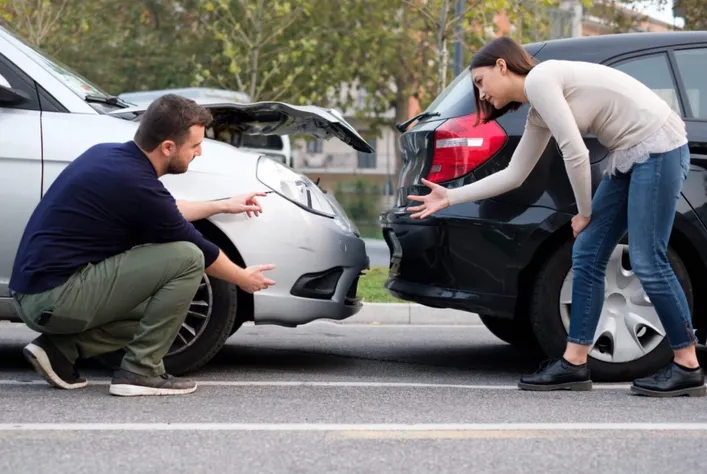
A rear-end collision happens when the front bumper of a following vehicle makes contact with the rear of the vehicle in front. These accidents occur across various road conditions and speeds. Most commonly, they occur at lower speeds, such as at stop signs or red lights, where sudden stops are frequent. However, they can also occur at higher speeds, especially on freeways, often due to distractions or sudden braking by the leading vehicle.
Steps You Should Take After A Rear End Collision
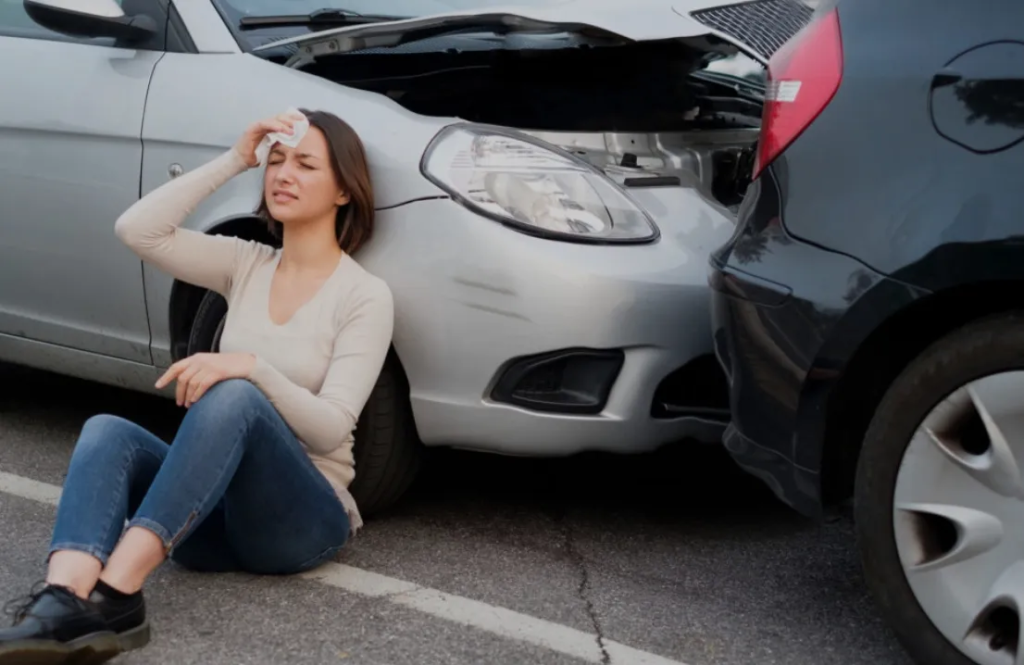
Whenever your vehicle collides with another vehicle or object, it’s essential to halt to ensure everyone’s safety, exchange information, and inspect for damage. Additionally, taking specific measures to safeguard your financial and legal concerns is crucial, especially if the other driver is not forthcoming.
Immediately after a rear-end collision, here’s what you should do:
1. Check for injuries. Keep in mind that you may not feel injuries until the adrenaline of the crash has faded.
2. Move to safety. If your car is blocking traffic or likely to cause another accident and is drivable, you should also move it to a safe location. Otherwise put the hazard lights on.
3. Don’t admit fault. Even if you think you’re to blame, it’s important not to take responsibility at the scene.
4. Notify the police. File a report and tell them the truth about everything you remember.
5. Take photos. It’s important to make sure you have evidence of the scene and any damage to your car.
6. Exchange information. Get the full names, phone numbers, insurance and driver’s license info, and plate numbers of all involved drivers. Also write down the makes, models, and colors of the vehicles and the location, date, and time of the accident. It’s a good idea to exchange information with any witnesses as well.
7. Call your insurance provider. If possible, try to do this from the scene. Tell them the details of the accident and ask any questions you have about filing an auto claim.
8. See a doctor. Before you worry about your car, it’s important to make sure you’re okay and that you get any necessary medical treatment.
9. Take your car in to check for damage. Even if you don’t see any noticeable dents, scratches, or broken parts, there may be hidden damage that can impact the function and value of your vehicle and require fender repair services near you.
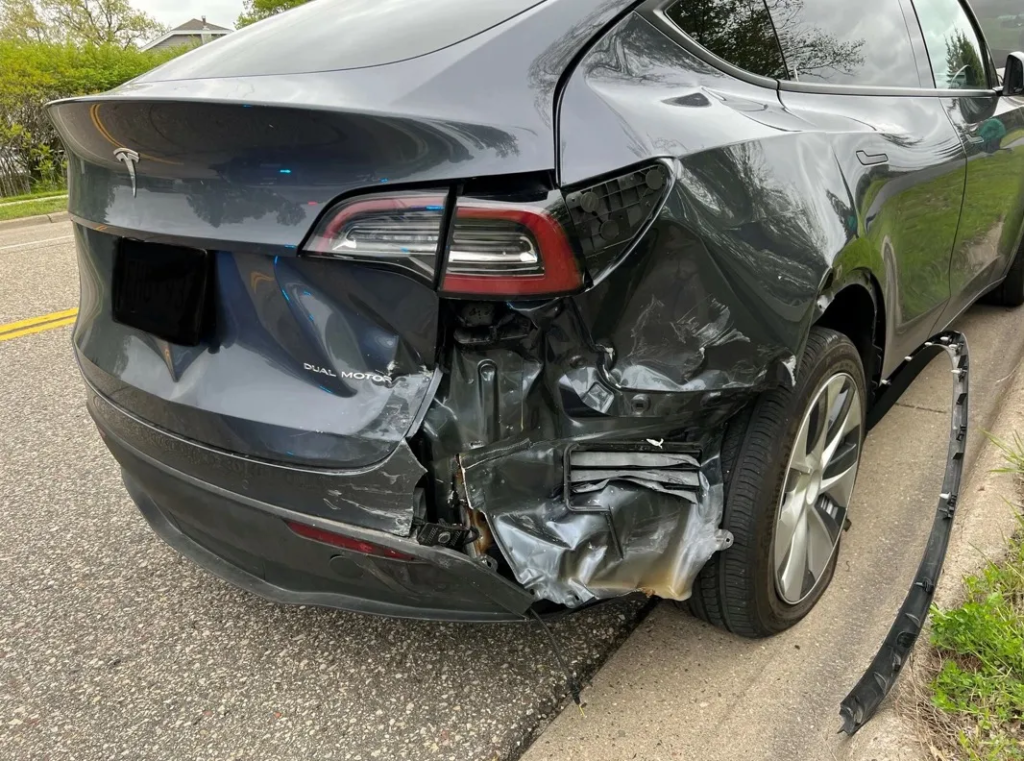
What Problems to Check For After a Rear End Collision
After a rear-end collision, it’s important to have your vehicle inspected by a trusted collision repair shop, even if no visible damage is apparent. Hidden damage could affect your car’s functionality.
Frame:
Misaligned or crushed frames may not be immediately evident but can lead to issues such as drifting while driving and undue stress on vehicle components. A professional premier collision repair center in Los Angeles can inspect hidden structural issues.
Bumpers:
The front and rear bumpers, often the first to sustain damage, may exhibit dents after a collision. Typically repairable without part replacement.
Suspension:
Damage to the suspension system, comprising springs and shocks, can disrupt driving stability and control on uneven roads.
Check Engine Light:
If you notice your “check engine” light is on after a rear-end collision, it’s possible that your engine has shifted or been damaged and you should take your car in to get checked as soon as possible.
Electrical:
Modern cars are more electronically advanced than ever before. Unfortunately, one of the downsides of this is that even small collisions can loosen the wires that connect to your tail lights, brake lights, or other electrical features. These components are essential to basic road safety, so you should get them fixed if they’ve sustained any damage following a rear-end collision.
Aesthetic Damage:
Even if functionality remains intact, cosmetic issues like dings and scratches can diminish your car’s value. Some insurance policies cover cosmetic repairs, including fender bender repair and car fender repair near you services.
Get Your Car Repaired at Dream Collision Center After a Rear-End Collision in Los Angeles.
Experiencing a car accident can be disorienting and frustrating. At Dream Collision Center, we do everything we can to make the process of getting your car repaired after a rear-end collision or other car crash as simple and stress-free as possible. Our services and repair process are top of the line, and we’re always upfront about cost estimates and timelines for collision repairs.
Call us at +1-310-560-3235, or visit our location at 1920 S. La Cienega Blvd. LA, CA 90034. We’re here to assist you and ensure your needs are met to the fullest with the best collision repair in Los Angeles. You can also reach us quickly by following us on Facebook and Instragram.
Note: Want to know more about Certified Collision Repair Centers? Don’t forget to read one of our best articles on “How to Choose a Certified Collision Repair Center in Los Angeles.“