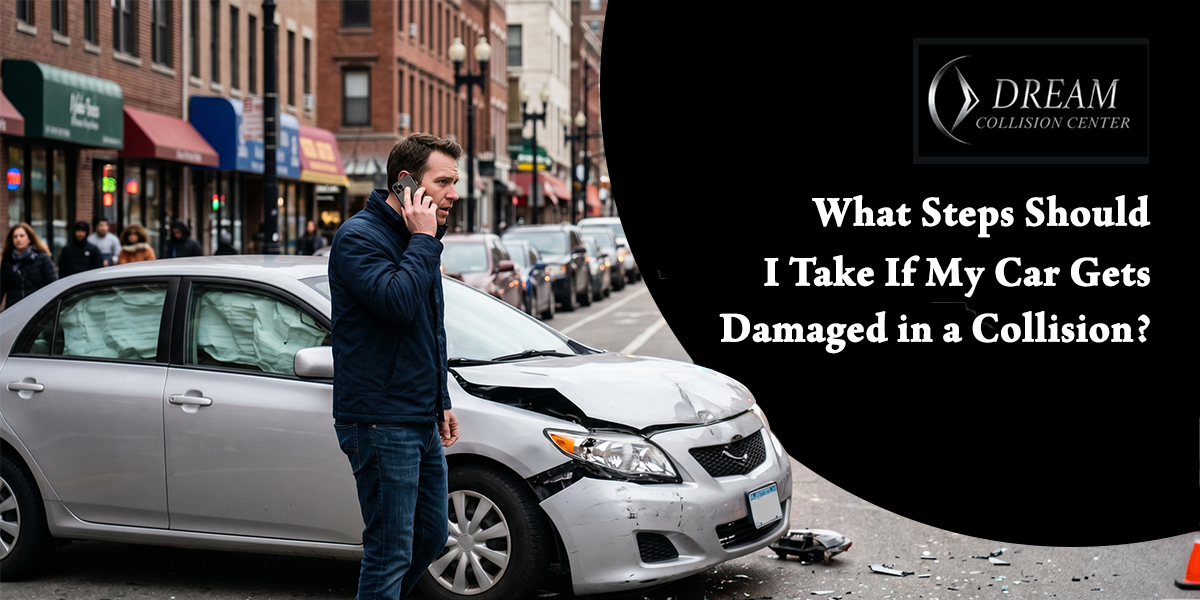
Experiencing a damaging collision can be overwhelming. One moment you’re driving normally, and the next, your car has sustained impact damage, leaving you stressed about safety, repair costs, and insurance claims. Knowing the right steps to take after a collision is crucial. Taking immediate, well-informed action ensures your vehicle is properly assessed, repaired, and safe to drive.
In this guide, we’ll walk you through understanding collision damage, assessing your car, choosing the right repair service, and providing preventive tips to reduce future risks. Whether it’s a minor dent or serious structural damage, these steps will help protect both your car and your peace of mind.
What Is Collision Damage?
Understanding Damage Collision
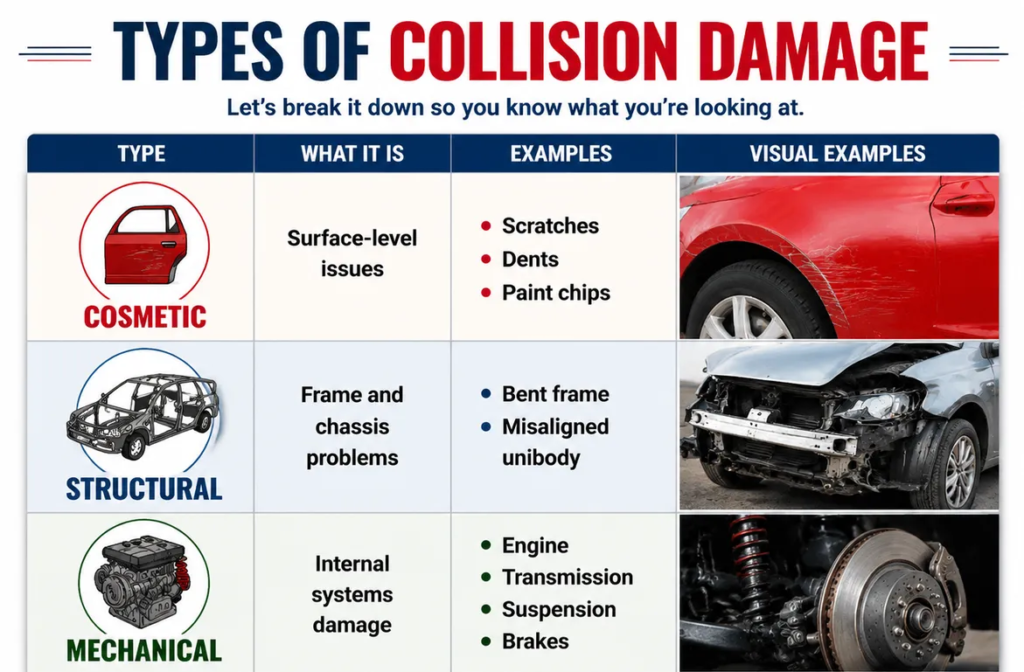
A damage collision refers to any event where your vehicle sustains harm due to an accident. The damage can range from minor scratches and dents to severe structural or mechanical issues. Even if a vehicle appears fully repaired, internal damage may remain unnoticed without a professional evaluation. Proper handling of a collision-damaged car ensures safety and prevents future costly repairs. This is why certified collision damage experts play a crucial role in the process. Types of Collision Damage
- Cosmetic: scratches, paint chips, and dents – mainly visual but can affect resale value.
- Structural: Frame, chassis, and alignment issues – critical for safety.
- Mechanical: Engine, suspension, transmission, or steering components may be affected.
Even small fender benders can create hidden issues in your car. That’s why accurate car collision damage repair is essential.
Immediate Steps to Take After a Collision
Ensure Safety First
- Move your car to a safe location if possible.
- Check for injuries and call emergency services if anyone is hurt.
- Avoid leaving the scene before documentation is complete.
Real-world scenario: A driver on the 101 freeway had a minor rear-end bump. She stayed in the lane to “document everything”. A second car hit her while she was standing outside. Get to safety first. Always.
Document the Incident
Proper documentation simplifies insurance claims and ensures accuracy in collision damage estimation.
Take photos of every angle of the collision damage. Then capture:
- Licence plates of all involved vehicles
- The other driver’s insurance and contact info
- Time, date, and exact location
- Witness names and phone numbers
- Weather and road conditions (wet? dark? potholes?)
Pro Tip: Take a 30-second video walking around all cars. Narrate what you see. This captures context photos, miss.
Notify Your Insurance Provider
Call your insurer within 24 hours, even if you’re not sure who was at fault. Delaying can hurt your claim. Reporting the damage from a collision promptly is crucial. Discuss coverage options, such as collision damage protection, that may help cover repair costs. Early reporting can also prevent delays in processing claims.
Assessing the Damage
Collision Damage Estimation
Professional collision damage experts perform a detailed assessment to determine the extent of damage and repair costs. This includes:
- Checking structural integrity
- Inspecting internal systems (engine, brakes, suspension)
- Identifying cosmetic issues
If you’re searching for collision damage repair near you, look for certified auto body and collision damage repairer centers like Dream Collision Center, trusted for thorough inspections and quality repairs.
Identifying Hidden Damage
Not all damage is visible. Subtle issues in alignment, suspension, or airbags can compromise safety. Only a qualified professional can detect these problems during a thorough evaluation of car collision damage repair.
Expert insight: According to auto body industry data, nearly 40% of car collision damage is not visible to the naked eye. That’s why a certified auto body and collision damage repairer uses frame-measuring systems and diagnostic tools, not just eyeballs.
Choosing the Right Collision Damage Repair Service
Why Professional Repair Matters
Attempting DIY repairs or using unverified shops can lead to:
- Safety risks
- Reduced vehicle longevity
- Decreased resale value
Certified collision damage experts ensure repairs meet industry standards.
How to Find a Reliable Repair Center
- Search for collision and damage auto body shops in your area.
- Look for autobody and collision damage repair certification.
- Check reviews, experience, and track record.
- Consider trusted centers like Dream Collision Center, serving Los Angeles with professional service and advanced repair technology.
You can trust us to inspect and repair accident vehicles. Contact us today at (310) 560-3235 for answers to your enquiries and to schedule a consultation. You can also reach us quickly by following us on Facebook.
Tips for Choosing the Best Repair Option
- Ensure the shop provides warranties on repairs.
- Confirm use of OEM parts for safety and durability.
- Compare cost, quality, and customer service before deciding.
The Collision Damage Repair Process
Initial Inspection and Assessment
Technicians evaluate all visible and hidden damage and create a repair plan based on the collision damage estimate.
Repair Planning
This phase outlines:
- Parts replacement or repair
- Timeline for completion
- Expected costs
Transparency in planning prevents surprises and ensures smooth repairs.
Repair Execution
Certified collision damage experts carry out structural, mechanical, and cosmetic repairs, including:
- Frame straightening
- Engine and suspension repairs
- Paint matching and bodywork
Final Testing and Handover
The repaired car undergoes the following:
- Road tests
- Alignment and suspension checks
- Final safety inspections
Only after these steps is the vehicle returned to you fully safe and operational.
Common Challenges Post-Collision
Even after repair, problems can surface if the work wasn’t done right.
- Recurring mechanical issues – A shaky wheel or strange noise means hidden damage was missed.
- Reduced resale value – Poorly repaired collision damage shows up on vehicle history reports and scares buyers.
- Safety hazards – A compromised frame won’t protect you in a second crash.
This is why trusting experienced car collision damage repair experts is essential.
Preventive Tips to Reduce Collision Damage
Safe Driving Practices
- Observe speed limits and traffic signals.
- Maintain safe distances.
- Avoid distractions.
Regular Vehicle Maintenance
- Check brakes, tires, lights, and suspension regularly.
- Promptly repair minor issues to prevent escalation.
Invest in Collision Damage Protection
- Choose insurance policies with collision damage protection.
- Helps cover repair costs and gives peace of mind.
Conclusion
Handling a damaged collision correctly protects your vehicle, ensures your safety, and prevents future issues. From immediate safety measures and proper documentation to professional collision damage repair by trusted experts, each step matters. Working with certified centers like Dream Collision Center in Los Angeles guarantees your car receives expert evaluation, repair, and final testing. Taking these steps ensures your vehicle is safe, reliable, and maintains its value in the long term.
Note: Want to know more about auto collision repair? Don’t forget to read one of our best articles on “Why Your Car Sounds Different After an Accident, Even When Fully Repaired“
Frequently Asked Questions (FAQs)
Q1: How long does collision damage repair take?
A: Depends on the severity of damage, parts availability, and shop schedule. Minor cosmetic repairs may take days, while structural fixes could take weeks.
Q2: Can my car be repaired even after a major damage collision?
A: Yes, certified auto body and collision damage repairer centers can restore your car safely, even after significant accidents.
Q3: How do I find collision damage repair near you?
A: Search local certified shops, read reviews, and verify licenses. Trusted centers like Dream Collision Center provide professional expertise to Los Angeles.
Q4: What if my car still sounds or drives differently after repair?
A: Return to your repair center. Experienced collision damage experts will re-evaluate the vehicle to ensure all issues are resolved.
Q5: Are OEM parts necessary for repair?
A: Yes. They ensure durability, safety, and the maintenance of vehicle value after a collision.